
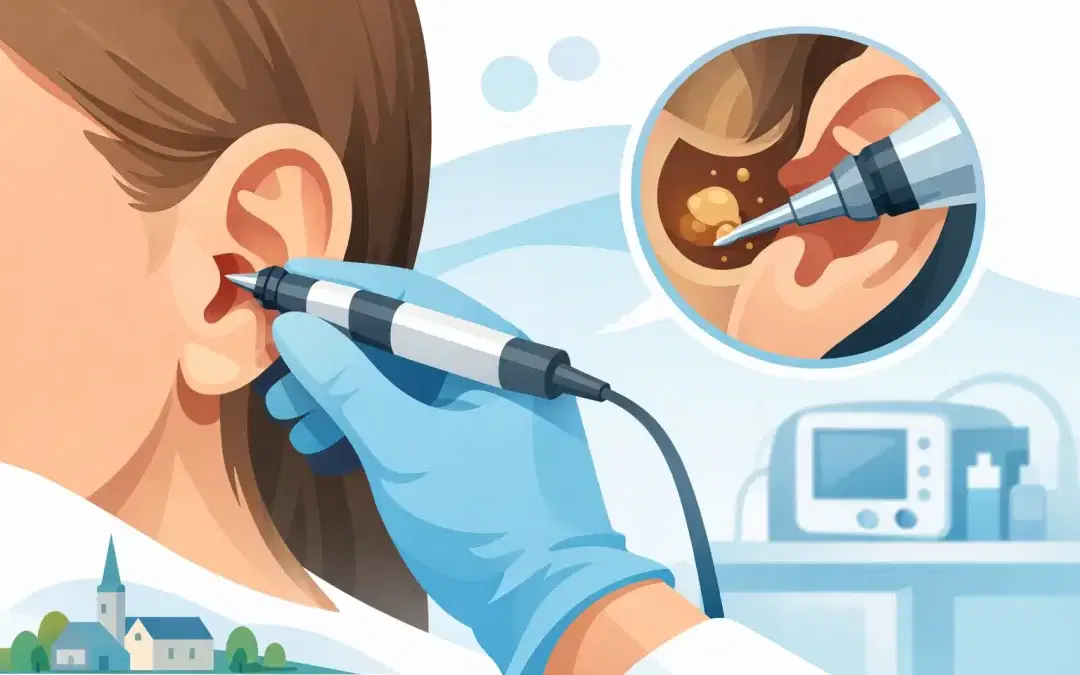
A blocked ear can make the ordinary parts of the day surprisingly difficult. Conversations become muffled, the television creeps louder, and some people notice a feeling of pressure, crackling or reduced hearing. If you are considering ear wax microsuction Bourne, it helps to know what the treatment involves, when it is appropriate and why a proper ear examination comes first.
Ear wax is not a sign of poor hygiene. It is a normal, protective substance that helps trap dust and debris, and it usually works its way out naturally. Problems arise when wax builds up, becomes dry or compacted, or is pushed further into the ear canal by cotton buds, earbuds or hearing aids.
When ear wax needs removing
Not every ear containing wax needs treatment. In many cases, wax is doing exactly what it should. Removal is generally considered when it is causing symptoms or preventing a clinician from seeing the eardrum clearly.
You may benefit from an assessment if you have a persistent blocked sensation, dulled hearing, discomfort, ringing that seems linked to the blockage, or difficulty with a hearing aid. Some people are more prone to recurring build-up because of the shape of their ear canals, naturally dry wax, frequent use of hearing aids or earplugs, or a history of previous wax problems.
It is worth being cautious about assuming that every ear symptom is wax. Ear pain, discharge, sudden hearing loss, marked dizziness or a feeling of being unwell may have another cause and should be assessed promptly. A clinician can look inside the ear and advise whether wax removal is suitable or whether you need different medical care.
What is ear wax microsuction?
Microsuction is a method of ear-wax removal that uses a small suction device to lift wax from the ear canal while the clinician has a clear view inside the ear. A light and magnification are used to guide the procedure, allowing treatment to be tailored to what is actually present.
Unlike ear irrigation, microsuction does not involve flushing water into the ear. This can make it a useful option for many people, particularly where keeping the ear dry is preferable. However, the best method is not identical for everyone. The condition and position of the wax, your ear history and what the clinician sees during the examination all matter.
At The Wellhead Practice, ear-wax removal is provided as part of a patient-centred service by experienced primary healthcare practitioners. The aim is straightforward: to remove wax safely where it is appropriate to do so, without recommending treatment that you do not need.
What the appointment usually involves
Your appointment starts with questions about your symptoms and ear history. This may include whether you have had ear surgery, a perforated eardrum, recent infection, discharge, grommets, dizziness or problems following previous wax removal. These details help the clinician decide on the safest approach.
The ears are then examined. If wax is present and removal is appropriate, the clinician will explain the proposed method before beginning. During microsuction, you may hear a suction sound and notice a slight change in pressure. Most people find it manageable, but it can be noisy and occasionally a little uncomfortable, especially if the ear canal is sensitive or the wax is very hard.
The clinician works carefully, stopping if needed. Some tightly packed or stubborn wax cannot always be removed comfortably in one visit. In that situation, softening drops and a further appointment may be the sensible option rather than forcing the process. Good care is not about rushing to finish at any cost.
Once treatment is complete, the ear is checked again and you can discuss any aftercare or next steps. Many people notice an immediate improvement in hearing when a substantial blockage has been removed, although this depends on wax being the cause of the hearing change in the first place.
Preparing for microsuction
If you have been advised to use olive oil or ear-wax softening drops before your appointment, following that advice can make dry or compacted wax easier to remove. Often, a few days of preparation is helpful. Do not use drops without checking first if you have a known or suspected hole in the eardrum, ear tubes, a recent ear operation, active infection or discharge.
Avoid cotton buds. They rarely remove wax effectively and commonly push it deeper, where it can become more firmly impacted. The same applies to inserting hairpins, rolled tissue, ear candles or unregulated home-cleaning devices into the ear. Ear candles in particular are not a safe solution and can cause burns or leave debris behind.
If you wear hearing aids, take them with you if they are relevant to the problem. It can also help to mention whether you have a time-sensitive hearing test or fitting planned, as wax can sometimes need clearing to allow an accurate assessment.
Microsuction or irrigation: which is right for you?
Both microsuction and ear irrigation can have a place in professional ear-wax removal. Neither should be treated as a one-size-fits-all answer.
Microsuction is performed under direct visual guidance and does not use water. It is often preferred where there are reasons to avoid irrigation, although the clinician will need to assess your individual history and ears. Ear irrigation uses controlled water pressure to remove suitable wax and may be appropriate in other circumstances.
The key difference is not simply the equipment. It is the assessment beforehand and the judgement to select, modify or postpone treatment where necessary. A responsible clinician may advise against removal on the day if the ear looks inflamed, if symptoms suggest another issue, or if it would be safer for you to seek further medical assessment.
Looking after your ears after treatment
Most people can return to normal activities immediately after microsuction. Your ears may feel unusually open or sensitive to sound for a short time when a large amount of wax has been removed. This usually settles as you readjust to hearing normally again.
Try not to start cleaning inside the ear canal afterwards. The ear is designed to manage wax naturally, and repeatedly removing small amounts can irritate the skin or encourage you to push wax inwards. If you regularly experience troublesome build-up, ask for personalised advice rather than automatically booking routine removal at fixed intervals. Some people need occasional maintenance; others do not.
Contact a healthcare professional if you develop significant pain, discharge, worsening hearing, persistent dizziness or symptoms that concern you after treatment. These are not symptoms to ignore simply because wax was present.
A note for people with recurring wax
Recurring wax can be frustrating, especially when it affects work, sleep, hearing aids or confidence in social situations. It is tempting to keep trying different products at home, but repeated self-treatment can become part of the problem.
A better approach is to understand your pattern. Is the wax genuinely returning quickly, or has it been pushed deeper by cleaning? Is a hearing aid contributing? Are your symptoms always due to wax? An examination gives you a clearer answer and allows any future care to be based on what your ears actually need.
Blocked ears are rarely something you need to simply put up with. A calm assessment, clear explanation and appropriate treatment can make a real difference – and help you get back to hearing the everyday moments properly.